
Serving Alpharetta, Roswell, Johns Creek, Sandy Springs, and all of Georgia
Specialized OCD treatment with ERP, from home in Georgia.
Exposure and Response Prevention (ERP) is the leading evidence-based treatment for Obsessive-Compulsive Disorder, and expert care is within reach.
Our clinicians have:
- Specialized training in ERP for OCD
- A passion for helping people break free from obsessions and compulsions
- Experience helping hundreds of adults and teens reclaim their lives
Before you submit: we are private pay and out-of-network with insurance, and sessions are telehealth for clients located in Georgia.
Please don't include health details in the form. We'll talk about what's going on during the call.

Member of the International OCD Foundation. PSYPACT-authorized to provide telehealth in Georgia.
Good to know before you reach out
- Private pay, out-of-network
- We don't bill insurance directly. You'll get a superbill to submit for possible reimbursement.
- 100% telehealth in Georgia
- Secure video sessions from home. PSYPACT-authorized, no commute across 400 or 285.
- Focused on ERP for OCD
- Structured, evidence-based treatment, not open-ended talk therapy.
- Adults and teens
- Parents are part of the process for teen clients.
Why ERP works when reassurance and willpower don't
OCD runs on a loop. Compulsions bring quick relief, and that relief teaches your brain the thought was dangerous, so it comes back stronger. ERP breaks the loop at the point where it keeps itself going.
- An intrusive thought, image, or urge shows up"What if I didn't lock the door?" "What if I'm contaminated?"
- Anxiety or discomfort spikesIt feels urgent, like something must be done right now.
- A compulsion brings brief reliefChecking, washing, seeking reassurance, mental reviewing.
- The relief fades and the cycle restartsEach round makes the next urge harder to ignore.
In ERP, your clinician helps you face feared situations step by step (exposure) while choosing not to do the compulsion (response prevention). You start small, you set the pace together, and nothing is forced. Over time, your brain learns that the anxiety passes on its own and that you can handle uncertainty.
What happens to anxiety during ERP
A simplified picture of what clients typically experience during practice.
ERP by telehealth often works better than you'd expect
OCD doesn't show up in a therapist's office. It shows up at your front door, your kitchen sink, your teen's nightly routine. Telehealth lets us practice right where the hard moments happen.
Practice in real life
Exposures can happen in your actual home, with the actual stove, doorknobs, or routines that trigger you, with your clinician right there on screen.
Specialists without the drive
Specialized ERP providers can be hard to find locally. Telehealth gives you access to focused OCD care from Alpharetta to Marietta without adding traffic to your week.
Easier to stay consistent
ERP works best when sessions stay steady. Meeting from home, work, or a quiet spot makes it easier to keep going, especially for busy families.
Meet your clinicians
You'll work with a doctoral-level psychologist who specializes in ERP for OCD.

Akiva Gornish, PsyD
Licensed Psychologist
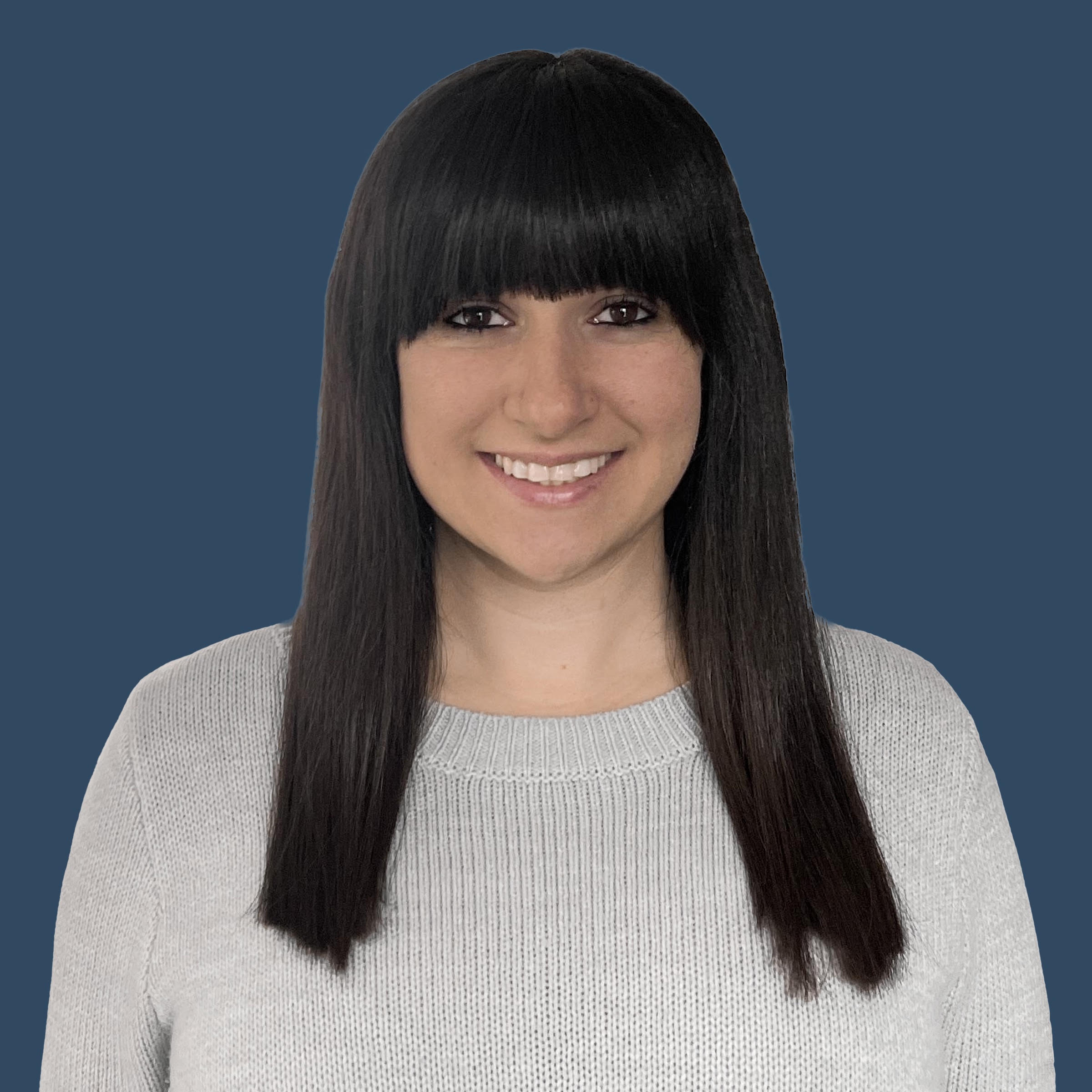
Mallory Inselberg-Andrus, PsyD
Licensed Psychologist
Help for adults and teens
Adults
Whether OCD has been with you for decades or showed up recently, it can take over hours of your day, your relationships, and your work. ERP gives you a clear, structured way to take that time back.
Teens
In teens, OCD can look like irritability, constant reassurance seeking, hours lost to routines, or slipping grades. We work with teens and their parents together, so the whole family learns how to stop feeding the cycle.
- Contamination and germs
- Checking and doubt
- Unwanted harm thoughts
- Intrusive sexual thoughts
- Relationship OCD
- Religious or moral scrupulosity
- "Just right" and symmetry
- Reassurance seeking
- Health anxiety
Serving North Atlanta and communities across Georgia
Through PSYPACT authorization, we provide telehealth to clients located anywhere in Georgia at the time of their appointment, including:
- Alpharetta
- Roswell
- Johns Creek
- Milton
- Sandy Springs
- Dunwoody
- Buckhead
- Brookhaven
- Marietta
- Cumming
- Duluth
- Peachtree Corners
Common questions
Is ERP by telehealth as effective as in person?
Research on ERP delivered by video has found outcomes comparable to in-person treatment for many people. It also lets exposures happen in the real places where OCD shows up, which is a meaningful advantage.
Do you take insurance?
We are private pay and out-of-network with all insurance plans, so you pay for sessions directly. We provide a detailed receipt called a superbill after each session that you can submit to your insurer for possible reimbursement. Private pay also means your care isn't shaped by insurance limits on how many sessions you get or what approach we use.
Will my insurance reimburse me for out-of-network sessions?
Many PPO and POS plans reimburse part of the cost of out-of-network mental health care once your deductible is met. HMO and EPO plans usually don't. Coverage varies a lot, so it's worth a quick call to your insurer before you start.
What should I ask my insurance company?
Call the member services number on your card and ask: Do I have out-of-network benefits for outpatient mental health? What is my out-of-network deductible, and how much have I met? What percentage do you reimburse after the deductible? Are telehealth sessions covered out-of-network? Do I need pre-authorization, and how do I submit a superbill?
What does it cost?
We'll go over our session fees on your consultation call, before you commit to anything, so there are no surprises.
Do I need to live in Georgia?
You need to be physically located in Georgia during each session. That's a licensing requirement for telehealth, not just our policy. Our psychologist is authorized to practice telepsychology in Georgia through PSYPACT, the interstate compact that allows licensed psychologists to provide telehealth across participating states.
How long does ERP take?
It depends on the person and how OCD shows up for them. Many people notice meaningful change within a few months of weekly sessions with practice between sessions. We'll talk through a realistic plan once we understand your situation.
Will I be forced to face my worst fear right away?
No. ERP starts with situations that feel challenging but manageable, and you and your clinician decide together when to take the next step. You're always in control of the pace.
What happens on the 15-minute consultation?
It's a short call to hear what's going on, answer your questions about ERP and fees, and see whether we're a good fit, with no commitment to continue.
OCD is treatable. Let's talk about your next step.
Schedule a 15-minute consultation to ask questions, hear how ERP would work for you or your teen, and go over fees before you commit to anything.
Telehealth for clients in Georgia. Private pay and out-of-network with insurance.